Understanding Bone Density and Mineral Support
Explore the physiological foundations of bone health and the critical role essential minerals play in maintaining skeletal strength and density throughout life.
What Is Bone Density?
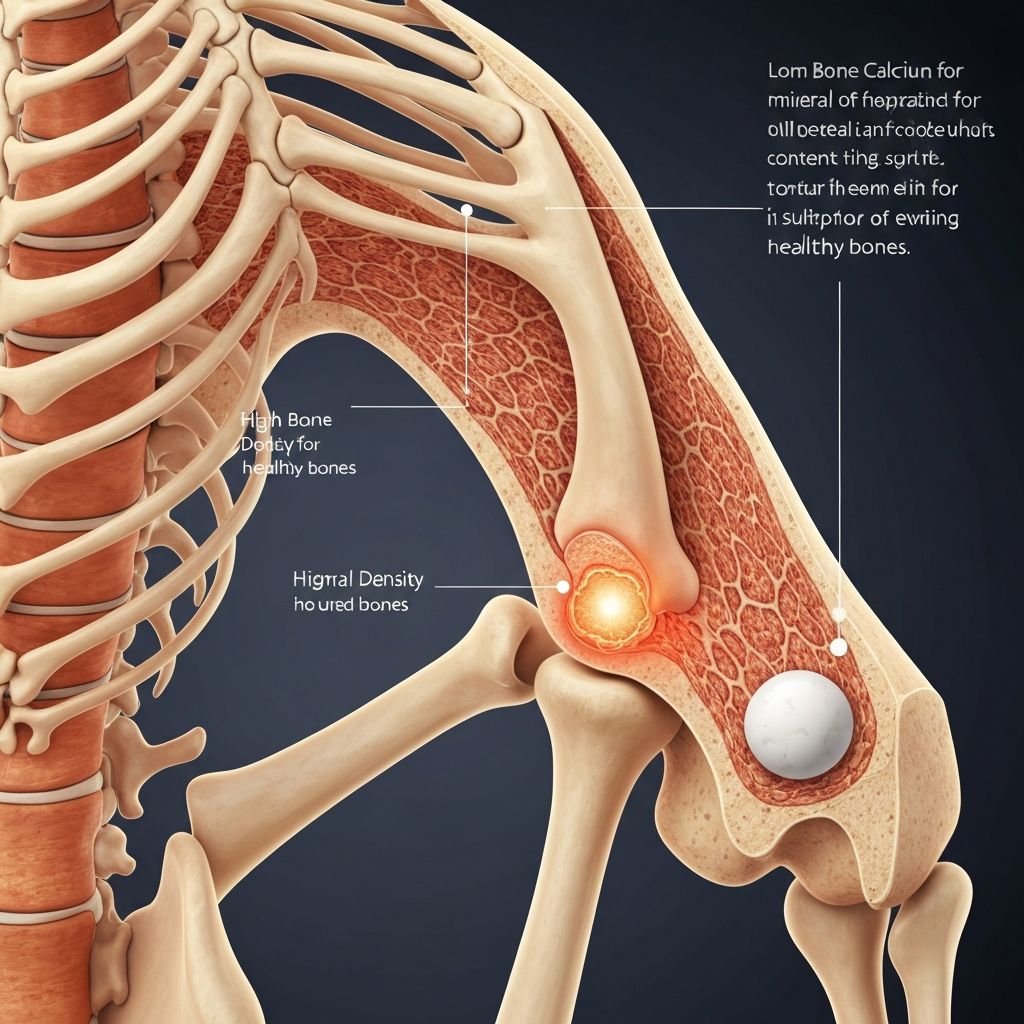
Bone density refers to the amount of mineral matter per unit volume of bone tissue. It is a key indicator of bone strength and resilience. Bones are living tissues that constantly undergo remodeling—old bone is removed and new bone is added. In youth, new bone is added faster than old bone is removed, increasing bone mass. Most people achieve peak bone mass by their early thirties.
Throughout life, bone density naturally fluctuates. Understanding the factors that influence this process and the minerals essential to bone health enables individuals to make informed choices about lifestyle and nutrition that support long-term skeletal wellness.
Essential Minerals for Bone Health
| Mineral | Primary Role | General Dietary Sources |
|---|---|---|
| Calcium | Primary structural component of bone; essential for bone formation and maintenance. | Dairy products, leafy greens, fortified plant-based drinks, almonds. |
| Magnesium | Regulates calcium transport; supports bone mineral formation and structure. | Nuts, seeds, whole grains, leafy greens, legumes. |
| Vitamin D | Enhances calcium absorption; regulates bone mineral density. | Fatty fish, egg yolks, fortified dairy, sunlight exposure. |
| Phosphorus | Works with calcium to form hydroxyapatite, the mineral component of bone. | Meat, poultry, fish, dairy, nuts, seeds. |
The Biology of Bone Remodeling
Bone Formation (Osteoblasts)
Osteoblasts are bone-forming cells that lay down new bone matrix. They secrete collagen and other proteins that mineralize with calcium and phosphorus, creating strong bone tissue. This process is supported by adequate mineral intake and physical activity.
Bone Resorption (Osteoclasts)
Osteoclasts are bone-resorbing cells that break down old bone, removing minerals and releasing them back into the bloodstream. This process is essential for bone turnover, tissue repair, and mineral homeostasis.
Factors Influencing Bone Density
Bone density is influenced by multiple interconnected factors. Understanding these enables informed lifestyle choices that support skeletal health.
Physical Activity
Weight-bearing exercises stimulate osteoblasts to build bone. Regular movement is among the most effective strategies for maintaining bone strength.
Nutritional Intake
Adequate calcium, magnesium, vitamin D, and phosphorus provide the building blocks for bone mineralization and maintenance.
Hormonal Balance
Hormones regulate bone remodeling. Hormonal changes throughout life influence bone density patterns.
Practical Approaches to Support Bone Health
- Incorporate regular weight-bearing activities such as walking, dancing, or light strength training into your routine.
- Consume a balanced diet rich in calcium, magnesium, and vitamin D from whole food sources.
- Maintain adequate hydration, which supports nutrient transport and cellular function.
- Get regular sunlight exposure for natural vitamin D synthesis, following safe sun practices.
- Engage in social and recreational activities that encourage movement and well-being.
Important Information
This article presents general educational information about bone physiology and minerals. It is not medical advice. For personalized guidance on bone health or concerns about your skeletal system, consult with a qualified healthcare professional.
Explore More Knowledge
Continue your learning journey with more articles on nutrition, wellness, and active longevity.
Browse Articles